
 Español
 русский
 대한민국
대한민국


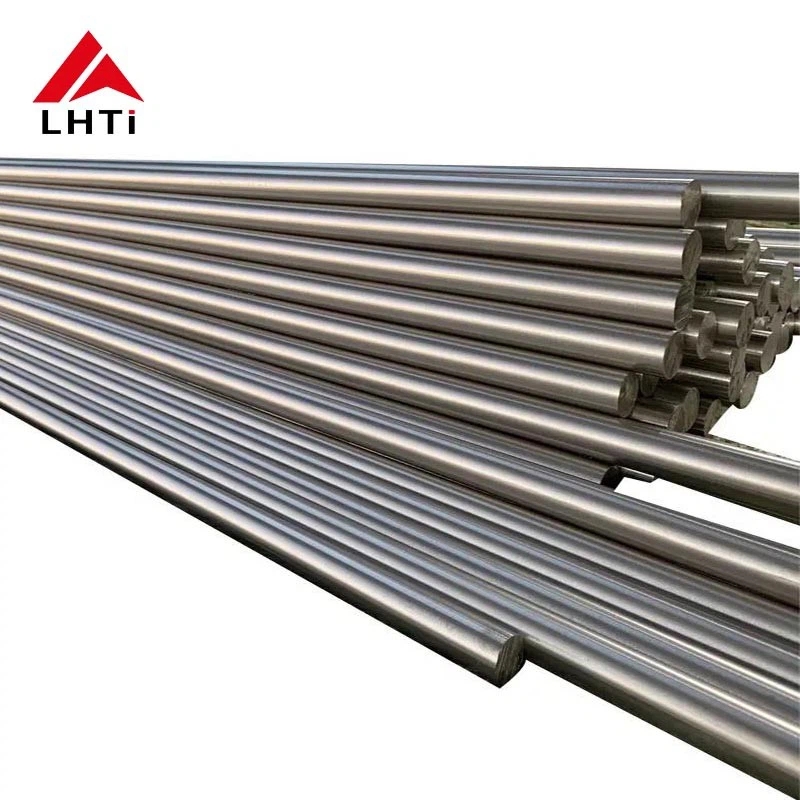
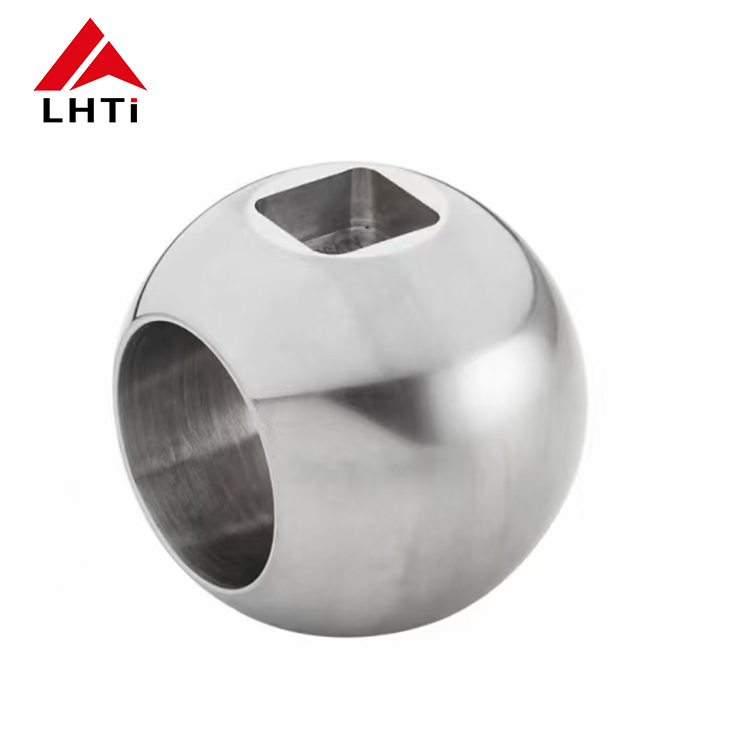

Full Port Ball Valve Titanium Gr1
Model:Titanium Ball Valve
Pressure Rating:Class 150 Class 300
Actuator Type:Manual, Pneumatic, Electric
Grades:Gr1 Gr2
Operation Method:Lever, Gear, Actuator
Ball Material:Titanium
Design Standard:API 6D, ASME B16.34
Bore Type:Full Bore, Reduced Bore
Anti-Static Design:API 608
Fire Safe Design:API 607, API 6FA
Product Introduction:
A "Full Port Ball Valve Titanium Gr1" refers to a specific type of ball valve constructed entirely from Grade 1 titanium alloy, which is commercially pure titanium. Here are the key features and considerations for such a valve:
Full Port Design: A full port ball valve is designed with a bore diameter that is equal to the internal diameter of the pipeline. This allows for minimal flow restriction when the valve is fully open, resulting in lower pressure drop across the valve compared to reduced port designs.
Material - Grade 1 Titanium (Ti Gr1):
Properties: Grade 1 titanium is the softest and most ductile among commercially pure titanium grades. It offers excellent corrosion resistance, particularly in environments involving seawater, chemicals, and high temperatures.
Applications: Due to its corrosion resistance and biocompatibility, Grade 1 titanium is used in various industries including chemical processing, marine, aerospace, and medical applications. It is suitable for applications where non-toxicity, reliability, and long-term performance are critical.
Construction:
Valve Body and Components: The entire valve body, including the ball, stem, and other internal components, are constructed from Grade 1 titanium. This ensures uniform corrosion resistance throughout the valve structure.
Sealing Mechanism: Seals and seats within the valve are typically made from materials compatible with titanium, such as PTFE (Teflon) or metal alloys, to ensure a tight seal and prevent leakage when the valve is closed.
Operation:
Quarter-Turn Operation: Similar to other ball valves, the full port ball valve operates by rotating the ball 90 degrees using a handle or actuator. This action either aligns the ball bore with the flow path for open position, or perpendicular to it for closed position, controlling the flow of fluids or gases.
Advantages:
Corrosion Resistance: Grade 1 titanium provides excellent resistance to corrosion, making it suitable for use in harsh and corrosive environments.
Biocompatibility: Ideal for applications requiring biocompatibility such as medical devices and implants.
Lightweight: Titanium's low density compared to steel results in lighter weight valves, which can be advantageous in applications where weight reduction is beneficial.
Ball valves are commonly used in various industries, including chemical processing, oil and gas, marine, and aerospace, due to their reliability and ability to control flow. When made from Grade 1 titanium, these ball valves are particularly suited for applications requiring resistance to corrosion and biocompatibility, such as in seawater desalination plants, chemical processing facilities, and medical devices.
The use of Grade 1 titanium ensures that the ball valve can withstand harsh environments, maintain long-term performance, and contribute to overall system reliability.
Detailed Description of Titanium Ball Valve:

Titanium ball valve is a critical equipment widely used in industries such as petroleum, chemical, metallurgy, and power generation. It possesses characteristics such as corrosion resistance, high temperature resistance, lightweight, and long service life. Therefore, in many harsh conditions including high pressure, high temperature, and strong corrosion, titanium alloy ball valves have become the ideal choice for valve applications.
It is a type of ball valve made of titanium alloy material, with its structure mainly consisting of valve body, bonnet, stem, ball, seat, and other components. The main features of titanium alloy ball valves include excellent corrosion resistance, allowing them to operate normally in various corrosive media such as strong acids, strong alkalis, and salts. Additionally, they offer advantages like high-temperature resistance, wear resistance, and lightweight properties, making them widely used in industries such as petroleum, chemical, metallurgy, and power generation.
Its working principle involves driving the ball to rotate using the valve stem, thereby creating different passages between the ball and the seat to achieve fluid opening, closing, and regulation. When the ball rotates 90 degrees, the medium passes through the valve; when the ball rotates 180 degrees, the medium is completely shut off. Its sealing performance mainly depends on the contact area between the ball and the seat, as well as the properties of the sealing material.
Product Specifications:

standards: | GB, JB, API, ANSI, ISO, BS, DIN, NF, JIS, etc. |
Connect type: | Flanges, Wafer, Thread& Screwed, Socket welded, Butt welded ends |
Driving mode: | Handle driving, Worm wheel/gear driving, Air operated, Hydro operated, Electric driving |
Pressure: | PN1.0MPa~PN25.0MPa, Class150~1500 |
Size: | DN6~1200mm, NPS1/4"~ 24" |
Temperature: | -198℃~ +450℃ |
Medium | acid, alkali and salt. |
Material range: | |
Titanium: | GR1, GR2, Gr3, Gr5 GR7, GR12, GR17, |
Nickel: | N6,N201,N200,CZ-100 |
Hastelloy alloy: | Hastelloy B(N-12MV,N-7M), Hastelloy C(CW-12MW) , Hastelloy C276(CW-6MC), Hastelloy C4, Hastelloy G30 |
Monel alloy: | M-30C,M35-1, Monel 400, Monel 600, Monel K500 |
Inconel: | Inconel 600, Inconel 800, Inconel 690 |
Duplex steel : | S31803(SAF2205,F51),S32750(SAF2507,F53) |
Zirconium: | Zirconium 702, Zirconium 705 |
Titanium ball valves operate on the same principles as any other type of ball valve, but with specific considerations due to titanium's unique properties:
Valve Structure: A ball valve consists of a spherical closure element (the ball) with a hole (the bore) through its center. When the valve is in the open position, the bore aligns with the valve body inlet and outlet ports, allowing fluid to flow through.
Operation: The valve is operated by rotating the ball 90 degrees (quarter-turn) using a handle or actuator. When the ball's bore is aligned with the flow direction, the valve is open, allowing fluid to pass through. When rotated perpendicular to the flow, the bore blocks flow, closing the valve.
Materials: Titanium ball valves use Grade 2 titanium or other titanium alloys like Grade 5 (Ti-6Al-4V) for the valve body, ball, and other critical components. Titanium is chosen for its excellent corrosion resistance, especially in aggressive environments involving seawater, chemicals, and high temperatures.
Sealing Mechanism: The sealing mechanism of a ball valve typically involves seats (usually made of materials compatible with titanium, such as PTFE or metal alloys) that provide a tight seal around the ball when the valve is closed. This prevents leakage and ensures the integrity of the system.
Applications: Titanium ball valves are used in industries where corrosion resistance, durability, and reliability are crucial, such as in chemical processing, oil and gas, marine environments (including seawater desalination), aerospace, and medical devices. They are also preferred in applications requiring biocompatibility, such as in medical implants and equipment.
Advantages: The main advantages of titanium ball valves include their lightweight nature, excellent corrosion resistance (even in chloride-rich environments), high strength-to-weight ratio, and resistance to erosion and cavitation. These properties make titanium ball valves suitable for critical applications where reliability and long-term performance are essential.
In summary, titanium ball valves operate efficiently using a simple, reliable design while leveraging titanium's unique properties to provide robust performance in demanding environments across various industries.
You Might Also Like
Send Inquiry