
 Español
 русский
 대한민국
대한민국


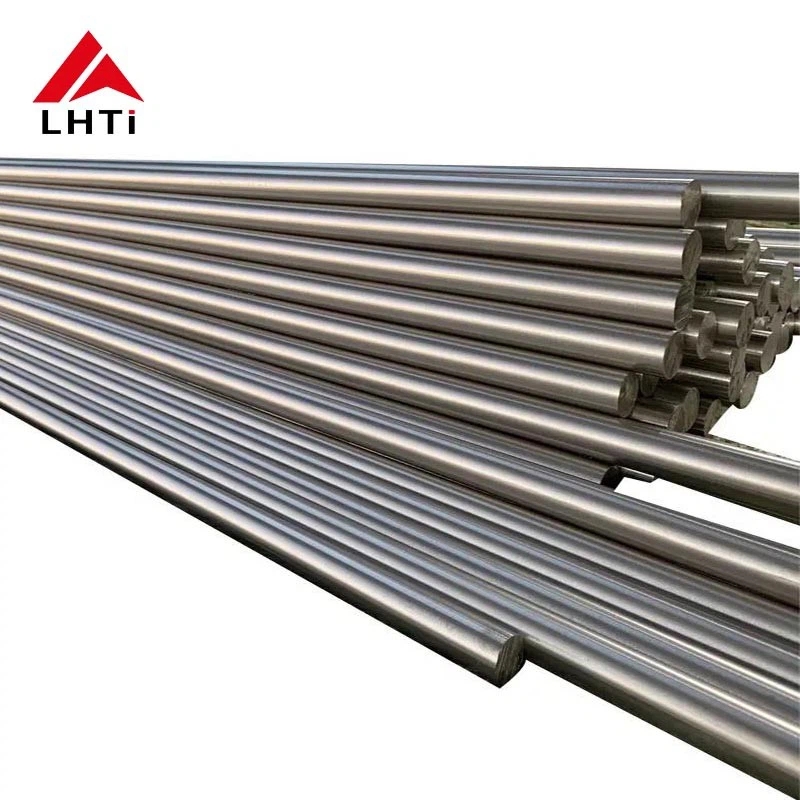
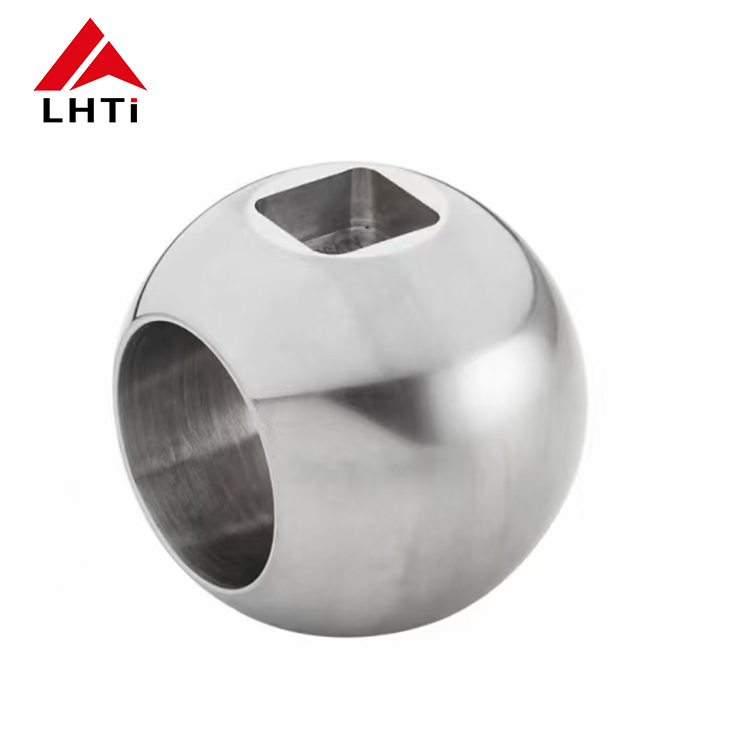
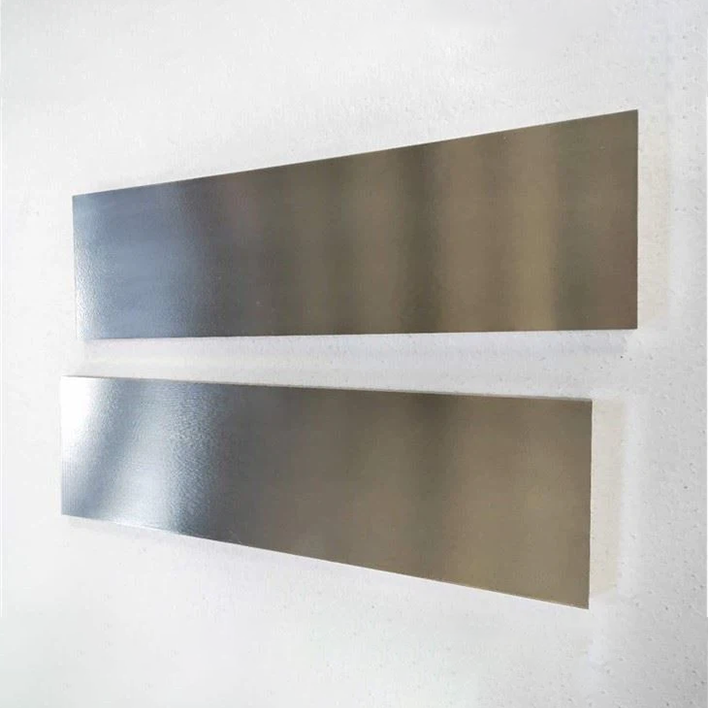
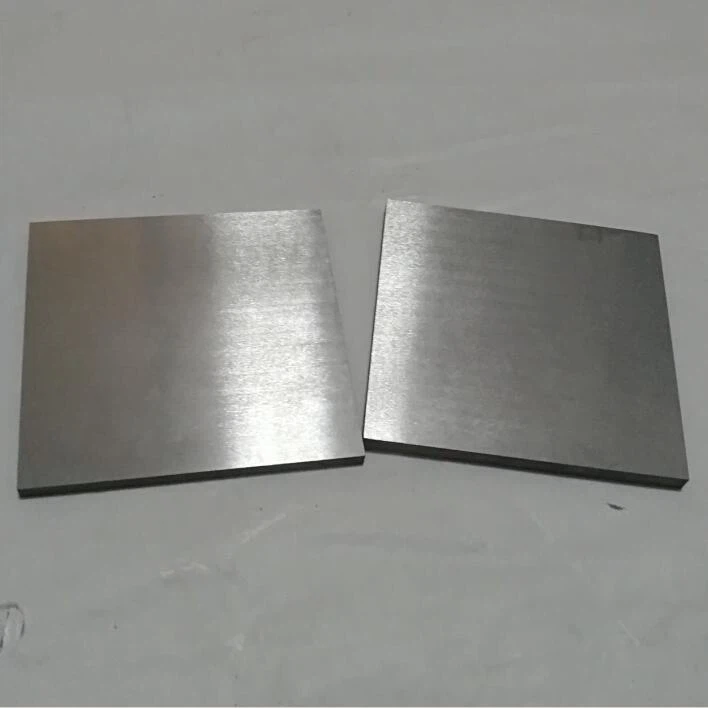


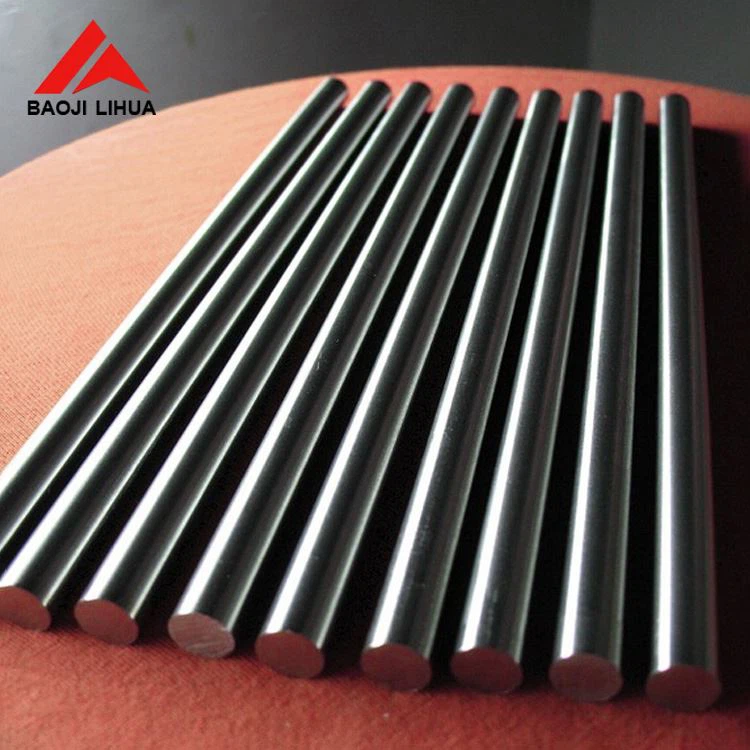
Titanium Bar For Medical Implant
Standard: ASTM F67, ASTM F136,ISO 5832-2, ISO 5832-3, ISO 5832-11
Material: Gr1,Gr2, Gr3, Gr4, Gr5, Gr5 ELI, Ti-6Al-7Nb,Gr23
Unit Price: $30.5 usd/kg- $52.5 usd/kg
Application: Medical use
Shape: Round
Diameter: 3mm, 4mm, 5mm, 6mm, 8mm, 10mm, 12mm, 16mm, 20mm etc.
Length: 1000mm, 3000mm, 6000mm or as per your request
Surface: Bright
MOQ:10kgs
Factory Area:3000 ㎡
Company staff:48
Foreign trade team service staff:20
China's professional titanium bar manufacturer
Introduction of Titanium Bar:
As an implant material commonly used in human body, titanium alloy has good compatibility with human living tissue and has a wide range of applications in surgical and dental operations. Titanium alloy can be used to make hip and femoral head (including mandible, elbow joint, knee joint, artificial vertebral body, interphalangeal joint (spine support), artificial heart, heart valve, pacemaker shell, titanium mesh skull plastic, etc.
We have a large number of medical titanium rods of different sizes in stock, such as 3mm, 4mm, 5mm, 6mm, 8mm, 10mm, 12mm, etc. It is suitable for customers with urgent demand for delivery date and customers with small demand.
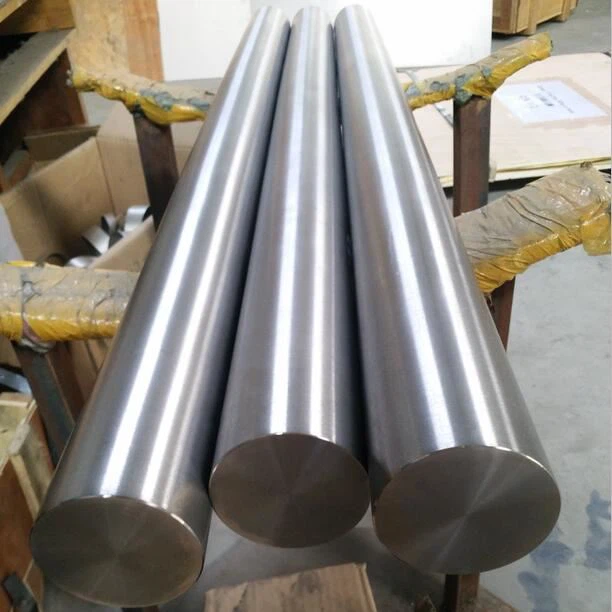
Titanium bars are solid, cylindrical metal bars made primarily from titanium, a lightweight and strong metal known for its exceptional corrosion resistance and high strength-to-weight ratio. These bars are manufactured through specialized processes to meet stringent industry standards and are used in various critical applications across different sectors.
Detailed Information:
Materials: Gr1,Gr2, Gr3, Gr4, Gr5, Gr5 ELI, Ti-6Al-7Nb,Gr23
Standard: ASTM F67, ASTM F136,ISO 5832-2, ISO 5832-3, ISO 5832-11
Surface: Polished
Diameter:4-96mm
Length:1000mm, 2000mm,3000mm ,or customized by customers
Shape: round,flat
State: annealing (M)
Torlerance: h6, h7, h8, h9
Chemical composition of medical tianium bar:
Material Grade | Ti | Al | V | Nb | Fe, max | C, max | N, max | H, max | O, max |
Gr1 | Bal | / | / | 0.20 | 0.08 | 0.03 | 0.015 | 0.18 | |
Gr2 | Bal | / | / | 0.30 | 0.08 | 0.03 | 0.015 | 0.25 | |
Gr3 | Bal | / | / | 0.30 | 0.08 | 0.05 | 0.015 | 0.35 | |
Gr4 | Bal | / | / | 0.50 | 0.08 | 0.05 | 0.015 | 0.40 | |
Gr5 ELI Ti-6Al-4VELI | Bal | 5.5~6.5 | 3.5~4.5 | 0.25 | 0.08 | 0.05 | 0.012 | 0.13 | |
Ti-6Al-7Nb | Bal | 5.5-6.5 | / | 6.5-7.5 | 0.25 | 0.08 | 0.08 | 0.009 | 0.20 |
Detailed images:


About our company:

Strict quality control system:
We have our own quality control system, from sponge material to finished products, control the quality of every process of titanium production.
1.We always choose high quality raw material (grade 0 or 1 titanium sponge)
2.Advanced testing equipment
a. MPI testing machine detects the chemical composition of titanium products
b. Turbine detectors detect surface defects up to 3mm;
c. Ultrasonic inspection of internal defects below 3mm;
d. Infrared detection devices measure the entire bar diameter from top to bottom.
e.All of products can only be delivered after inspections by 3 professional quality inspection workers
f. We provide "EN10204-1 quality certificate for each order.
Usually, our materials are sent to the Physical and Chemical Testing Center of West Metal Materials Co., Ltd., which is an authoritative testing institution in China, for quality inspection.
Advantages of Titanium bars:
High Strength: Titanium bars offer high strength comparable to steel but at about 45% lighter weight.
Corrosion Resistance: Excellent resistance to corrosion, particularly in environments containing chlorides.
Biocompatibility: Non-toxic and biocompatible, making it suitable for medical implants.
High Temperature Resistance: Maintains strength and integrity at elevated temperatures.
Low Density: Provides significant weight savings in applications requiring structural strength.
Product Features:
Material: Typically made from pure titanium or titanium alloys such as Grade 5 (Ti-6Al-4V).
Sizes: Available in various diameters and lengths to suit different applications.
Surface Finish: Can be supplied with polished, machined, or as-rolled surfaces.
Types: Can be produced as forged, rolled, or extruded bars depending on the application requirements.
Titanium Bar Applications:
Aerospace: Structural components, landing gear, turbine blades.
Medical: Surgical implants, prosthetics, orthopedic devices.
Industrial: Chemical processing equipment, marine components, sports equipment.
Automotive: Exhaust systems, suspension components.
Consumer Goods: Watches, jewelry.
Production Process:
Raw Materials: Titanium sponge or recycled titanium scrap.
Manufacturing Techniques: Melting, refining, casting, forging, rolling, and machining.
Quality Control: Strict adherence to ASTM and other international standards for material composition, mechanical properties, and dimensional accuracy.
Quality Testing:
Chemical Composition Analysis: Ensures the titanium meets specified alloy requirements.
Mechanical Testing: Includes tensile strength, yield strength, elongation, and hardness testing.
Non-Destructive Testing: Ultrasonic testing, dye penetrant inspection to detect surface and internal defects.
Dimensional Inspection: Verification of diameter, length, and straightness.
Certification: Issuance of mill test certificates (MTC) according to EN 10204/3.1 or equivalent standards.
Previous
Titanium Alloy Bar Grade 7You Might Also Like
Send Inquiry