
 Español
 русский
 대한민국
대한민국


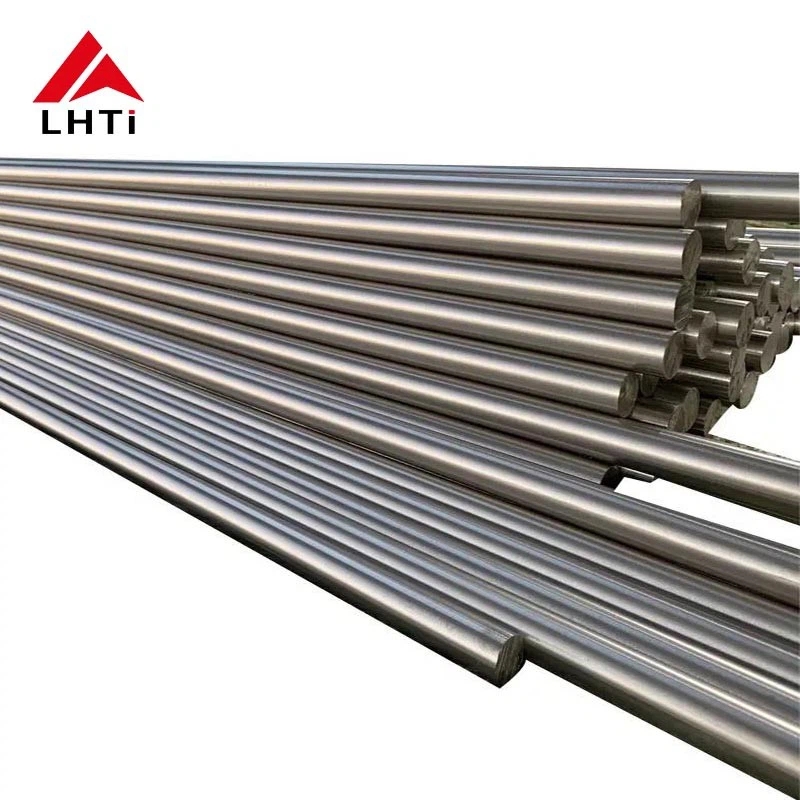
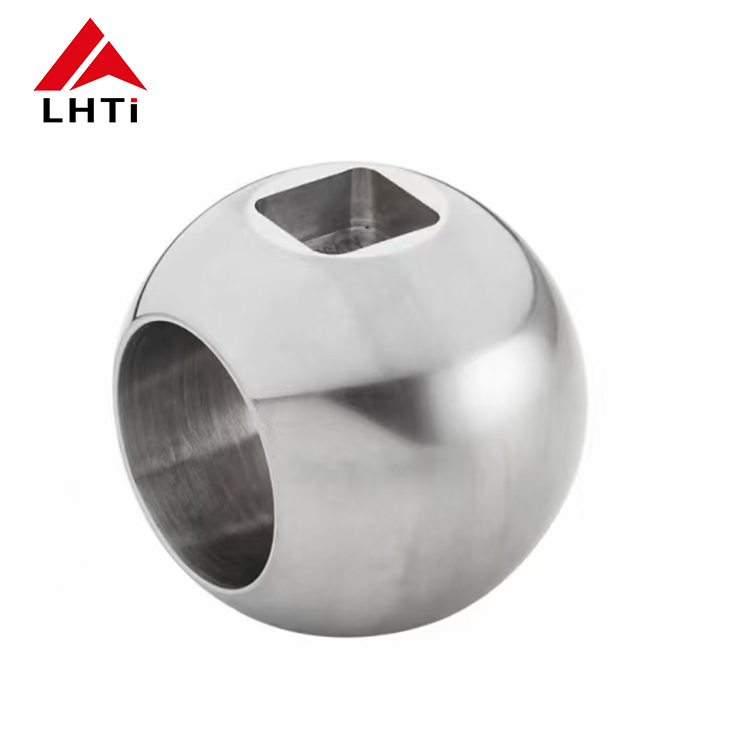
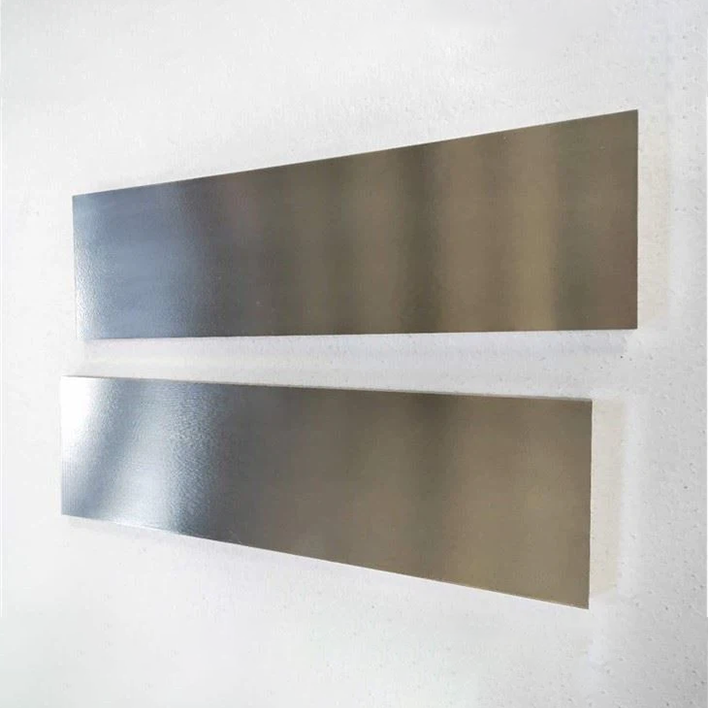
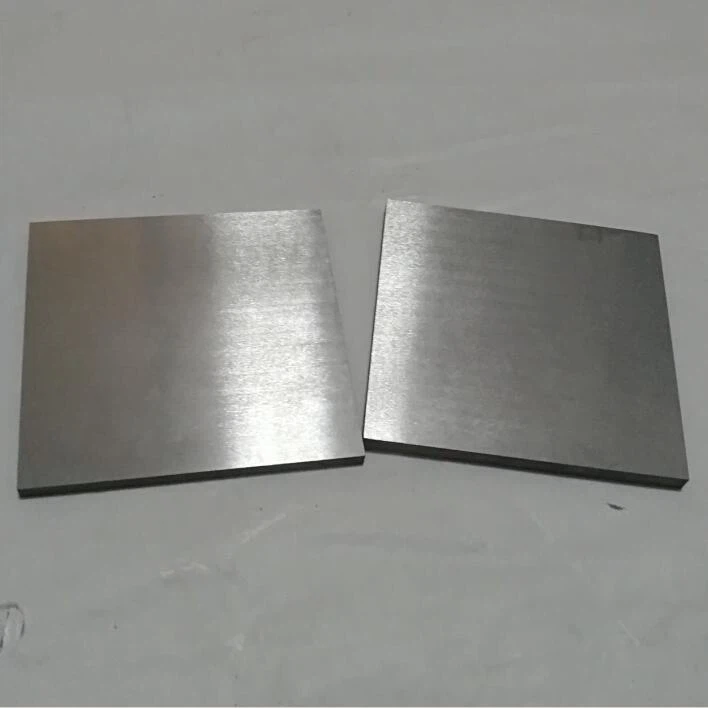


Gr9 Titanium Blind Flange Industry RF Flanges
Standard: ANSI / ASME B16.5
Material: Gr1 Gr2 Gr5 Gr7 Gr12
Unit Price: $25usd/pc-$85usd/pc
Sealing Surface: RF, FF, TG, RJ etc.
Size: NPS 1/2 - NPS 24(DN 10 - 2000)
Pressure: 150#-2500#
Surface: Polished
Technique: Forged and CNC Machined
Inspection: UT% PT%
Certificate: ISO9001, TUV etc.
MOQ: 1pc
Factory Area:3000 ㎡
Company staff:48
China's professional titanium flange manufacturer
Product Introduction of Titanium Flanges:
Our Titanium flanges undergo meticulous crafting through casting, forging, and precision machining processes to ensure they meet stringent industry standards for quality and durability. Available in custom sizes, these flanges are designed for easy installation onto pipeline systems and equipment, ensuring a secure, leak-free connection.
Engineered to uphold superior standards of precision engineering, our Titanium thread flanges deliver exceptional performance. They are optimized to effectively resist corrosion and endure high temperatures and pressures, making them highly suitable for challenging environments.
We prioritize safe transportation by securely packaging our Titanium flanges in robust wooden cases and pallets. This packaging not only protects the flanges during transit but also facilitates easy handling and installation upon arrival.
Our Titanium flanges serve a wide range of industries including pipelines, petroleum, and chemicals. They are engineered to establish reliable, leak-free connections between pipes, valves, and other equipment. Titanium's inherent durability ensures these flanges withstand the rigorous conditions prevalent in these sectors, ensuring dependable, long-term performance.
The Titanium Pipe Flange sizes range from 0.500" (12.7mm) to 8.000" (203.2mm) with a pressure rating of 150lbs. These flanges are crafted to meet demanding industrial requirements, ensuring durability and reliability in various applications within the pipeline and tubing sectors.
Material Grades: Titanium flanges are available in different grades such as Gr1, Gr2, Gr3, Gr4, Gr7, and Gr9. Each grade offers specific characteristics suited for different environments and requirements.
Standards: They conform to various international standards including ANSI B16.5, JIS B2220, DIN2627-2628, ASME, GB/T 9116, and ASTM B16.5, ensuring compatibility and reliability in different systems.
Technique: Typically, titanium flanges are forged and then CNC machined to ensure precise dimensions and quality.
Types: They come in various types such as weld neck (WN), slip on (SO), blind (BL), socket weld (SW), plate (PL), lap joint, and can be customized to specific requirements. Each type serves different purposes depending on the application and system design.
Advantages of Titanium Blind Flanges:

ASME B16.5 titanium blind flanges offer several advantages that cater to specific industrial needs:
Closure and Sealing: Blind flanges are used to close the end of a piping system, providing a solid barrier that prevents flow through the pipeline. This is essential during maintenance, repairs, or when a section of the pipeline is not in use. Titanium blind flanges, conforming to ASME B16.5 standards, ensure a secure closure and effective sealing, minimizing the risk of leaks or contamination.
Corrosion Resistance: Titanium's inherent corrosion resistance makes ASME B16.5 titanium blind flanges ideal for use in corrosive environments. They resist degradation from acids, seawater, and other aggressive substances, ensuring long-term reliability and reducing maintenance requirements.
High Strength-to-Weight Ratio: Titanium possesses a superior strength-to-weight ratio compared to steel, which allows for robust performance while keeping the overall weight of the flange and piping system lower. This characteristic is beneficial in applications where weight reduction is critical, such as aerospace and marine industries.
Temperature Resistance: Titanium blind flanges maintain their mechanical properties and corrosion resistance at elevated temperatures, making them suitable for high-temperature applications in industries such as chemical processing, petrochemicals, and power generation.
Biocompatibility: Like other titanium components, ASME B16.5 titanium blind flanges are biocompatible and non-toxic, making them suitable for applications in pharmaceutical, food processing, and medical industries where product purity and safety are essential.
Longevity and Durability: Titanium blind flanges offer excellent durability and resistance to degradation over time, ensuring a longer service life compared to other materials. This durability reduces replacement frequency and associated downtime, contributing to overall cost-effectiveness.
Versatility in Applications: ASME B16.5 titanium blind flanges are versatile and can be used in a wide range of applications, including but not limited to chemical processing, oil and gas refining, aerospace, marine, and medical equipment manufacturing.
Ease of Maintenance: Titanium blind flanges are relatively easy to install and maintain due to their corrosion resistance and durability. This ease of maintenance translates to reduced operational disruptions and lower lifecycle costs.
Titanium Blind Flange Inspections:
Visual Testing (VT): This involves inspecting the surface of the weld and the flange visually to detect any visible defects such as cracks, porosity, or improper weld profiles.
Ultrasonic Testing (UT): This technique uses high-frequency sound waves to detect internal defects within the material, such as voids, inclusions, or cracks. It's particularly useful for thicker sections of titanium welds.
Radiographic Testing (RT): This method uses X-rays or gamma rays to produce images of the internal structure of the weld and flange. It's effective for detecting internal defects and assessing weld quality.
Magnetic Particle Testing (MT): MT is used to detect surface and near-surface defects in ferromagnetic materials. However, since titanium is not ferromagnetic, this method might not be applicable unless there are magnetic materials nearby or coatings that can be magnetized.
Penetrant Testing/Dye Penetrant (PT): PT involves applying a dye penetrant to the surface of the weld and then removing excess dye to reveal surface-breaking defects. This method is useful for detecting small cracks, porosity, and leaks.
Eddy Current Testing (ET): ET uses electromagnetic induction to detect surface and near-surface defects in conductive materials like titanium. It's useful for detecting corrosion, cracks, and variations in material properties.
Acoustic Emission (AE): AE involves monitoring the acoustic emissions from a material under stress to detect changes indicative of defects like cracks or leaks. It can be used for both weld and base material inspection.
Previous
Titanium Slip On FlangeYou Might Also Like
Send Inquiry