
 Español
 русский
 대한민국
대한민국




Titanium Dished Disk For Anodizing
Titanium dished disk for anodizing
Main Product Introduction:
These circles are made of good quality pure titanium. Combining 1 ″ titanium shaft and copper hook, maximize the required time, part of the rack, and maximize the space. Titanium can be reused, with long service life and strong corrosion resistance, making it a better choice than any aluminum shelf. It can also better connect parts, even anodize, and even absorb dyes.
The discs are 220mm,250mm or 270mm diameters and mounted on a 1"(25mm) shaft. There are different shape discs,such as spine disc,split finger disc,dished disc etc.
Features of Titanium Dished Disk For Anodizing:
a. We use acid resistant titanium material, and the hook of the contact part of the conductive rod is made of the best red copper material.
b. The current can pass freely without overheating and burning components due to too small section and too large resistance.
c. The contact area with parts is small, and the contact parts will not produce local overheating and part combustion.
d. For parts that cannot be hitched in general, in order to ensure product quality and improve production efficiency, special hitching fixtures can be designed and manufactured according to the shape of parts.
Chemical composition (Wt%)
ASTM No. | Fe max | O max | N max | C max | H max | Pd | Al | Bal |
Grade 2 | 0.3 | 0.25 | 0.03 | 0.1 | 0.015 | - | - | Ti |
Physical Properties (Min)
ASTM Grade | Alloy Composition | Tensile Strength | Yield Strength | Elongation min % | ||
ksi | Mpa | ksi | Mpa | |||
Detailed images:


Different styles titanium jigs/racks for andizing/plating/coating:

Titanium racks in atcual application:

Retaled products:
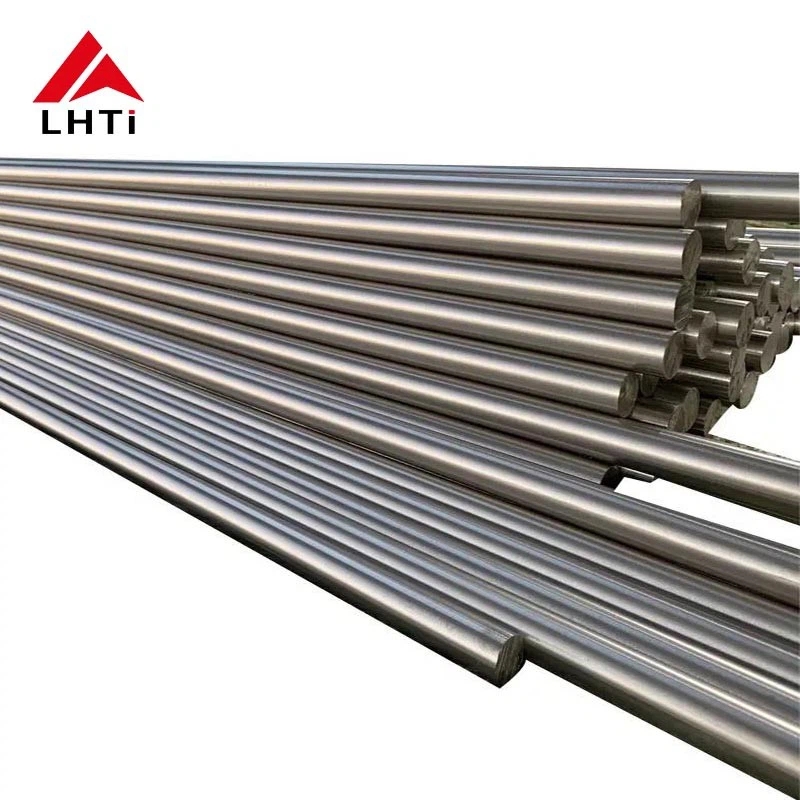
Titanium bolts and nuts, titanium square bars

Packaging and Shipping:


Anodizing is a process used to create a protective oxide layer on metals, particularly aluminum and titanium, to enhance their corrosion resistance, durability, and aesthetic appeal. When preparing titanium dished disks for anodizing, several key considerations come into play:
1. Material Selection:
Titanium Grade: Choose the appropriate grade of titanium based on the application's requirements. Grades commonly used include Grade 2 (CP Ti) and Grade 5 (Ti-6Al-4V), depending on the desired mechanical properties and corrosion resistance.
2. Design and Manufacturing:
Dished Disk Design: The dished disk design should be suitable for anodizing processes. This typically involves a concave shape that allows for uniform anodizing treatment across the surface.
Dimensions: Ensure precise dimensions and tolerances to meet the specific requirements of the anodizing process and subsequent applications.
3. Surface Preparation:
Cleaning: Before anodizing, the titanium dished disks must undergo thorough cleaning to remove any contaminants, oils, or residues that could affect the quality of the anodized finish.
Surface Roughening: Optionally, the surface may be mechanically or chemically roughened to promote adhesion of the anodized oxide layer.
4. Anodizing Process:
Electrolyte Selection: Choose an appropriate electrolyte solution based on the desired outcome (e.g., color, thickness of oxide layer) and the specific anodizing process (e.g., sulfuric acid anodizing).
Anodizing Parameters: Control parameters such as voltage, current density, temperature, and time to achieve the desired oxide layer thickness and properties.
5. Post-Anodizing Treatment:
Sealing: After anodizing, titanium dished disks may require sealing to enhance the corrosion resistance and durability of the oxide layer. Common sealing methods include hot water sealing or chemical sealing.
6. Quality Control:
Inspection: Perform visual inspection and possibly non-destructive testing to ensure the quality and uniformity of the anodized finish.
Testing: Verify the thickness and properties of the anodized oxide layer through techniques such as coating thickness measurement and corrosion resistance testing.
7. Application Considerations:
Functional Requirements: Ensure that the anodized titanium dished disks meet the functional requirements of the intended application, such as chemical resistance, wear resistance, or aesthetic appearance.
Compatibility: Consider compatibility with other components or materials in the assembly or system where the anodized disks will be used.
Previous
Titanium Rack And JigYou Might Also Like
Send Inquiry