
 Español
 русский
 대한민국
대한민국


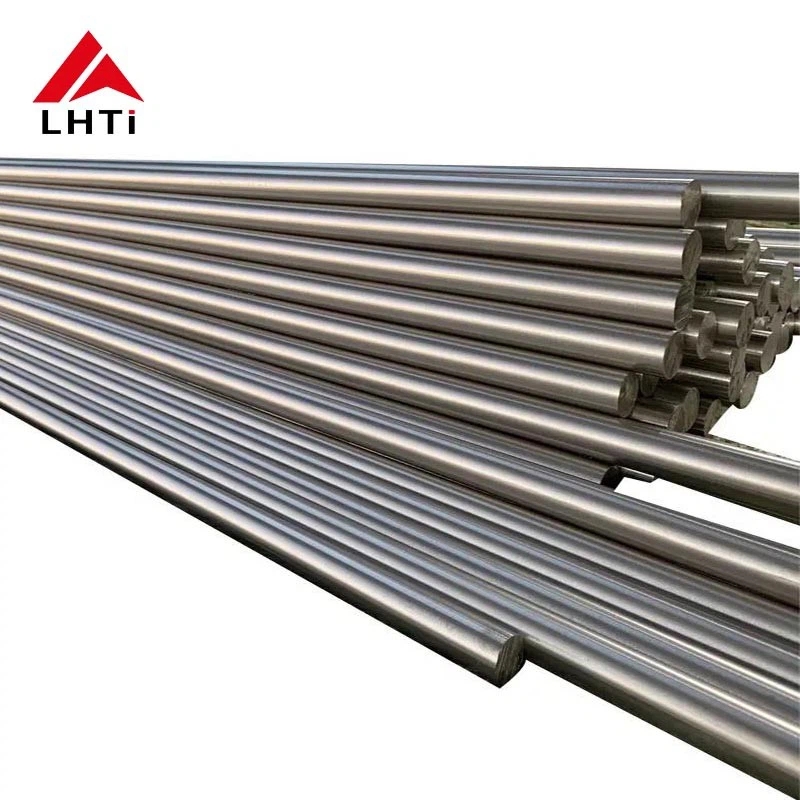
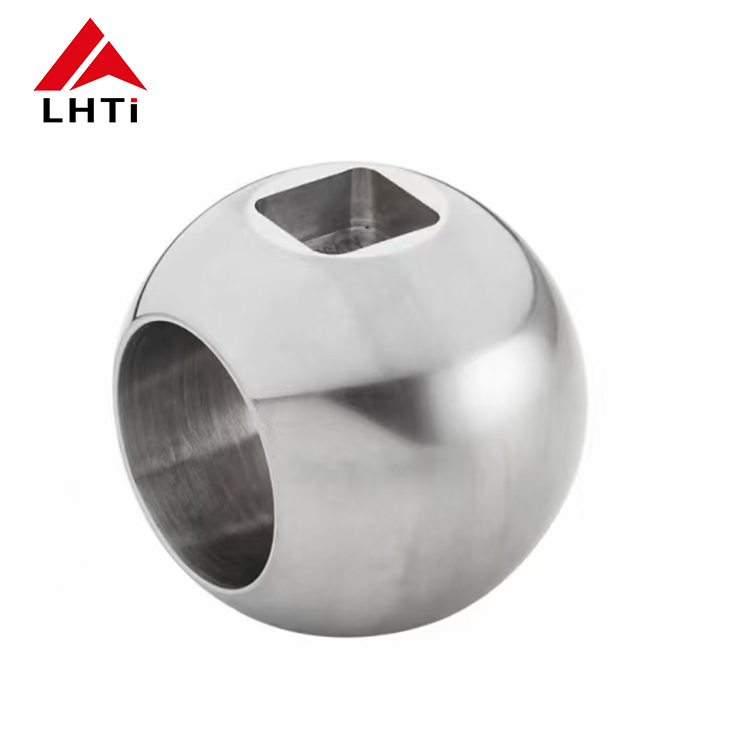

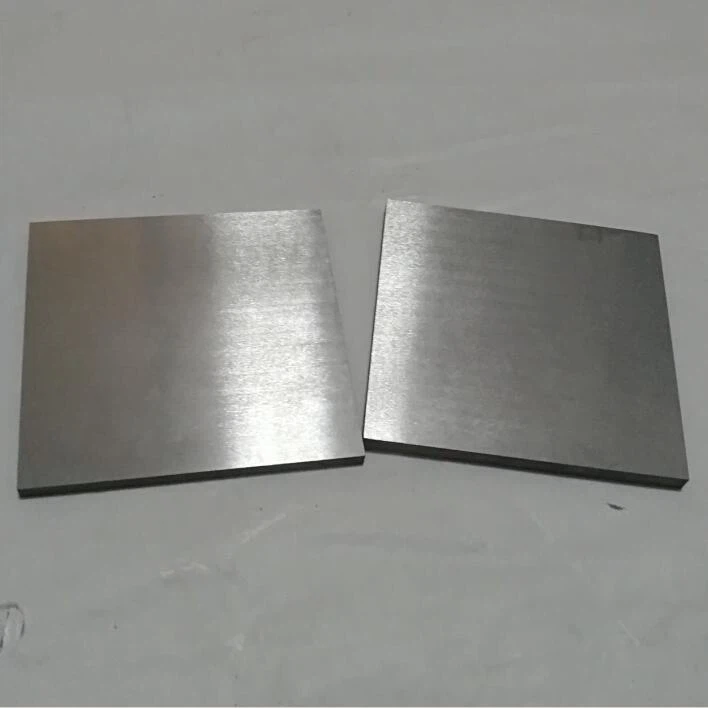


Titanium Clad Steel Plates
Material: Gr2 Titanium +steel,Gr2 Titanium+stainless steel etc.
Size &Standard: As per client drawing
Production Method: Forging,annealing and machining
Advantage: Excellent corrosion resistance ability
Packing: Plywood case
Application: Heat Exchanger, chemical equipment, Pressure Vessel, filter devices, etc.
Introduction of Titanium steel clad tube sheet for hear exchanger:
Tub sheet flanges are mainly used in tubular heat exchangers, boilers, pressure vessels and steam turbines and other industries. In our daily application, tubesheet flanges are also used in large central air conditioning in office buildings. Tubesheet flanges play a role in supporting the fixed pipe, which requires metal tubesheet flanges not only to have high rigidity but also to have good thermal conductivity.
Products | Processing Standard | Grade | Size |
Tube Sheet & Explosion Cladding Tube Sheet For Shell & Tube Heat Exchanger (Other: Titanium Clad Aluminum/ Copper/Nickel/Zirconium Plate, etc.) |
ASTM B898 | Titanium GR1, GR2, Steel SA516 GR70, GR60, SUS304, 316L, F53, 2205, 2207, etc. | Thickness: Titanium (0.04"- 0.315") Base Plate (0.473"- 3.15") Width: 3.3 feet – 10 feet Length: 6.6 feet – 26 feet |
| Stainless steel / steel clad material (Explosive-rolling clad metal technology) | |||||
|---|---|---|---|---|---|
| Titanium Stainless steel material | SUS410, SUS430, SUS304, 304L, 316L, 3211Cr 18Ni 9Ti, 0Cr 18Ni 9Ti | Q235 516GR-70 A216 A210-C | (1-10/4-120)thk ×(≤2000)width ×(≤8000)length | ASTMB-898 | Petrochemical, chemical, Vacuum salt making, fertilizer, paper making, beer, wet metallurgy |
Detailed images:


Titanium tubesheet used in heat exchanger:


About our company:


Role and Function:
Support and Seal: The tubesheet serves as a support structure for the heat exchanger tubes, holding them in place and ensuring they are properly sealed to prevent leakage of fluids.
Tube Arrangement: Tubesheets have precisely drilled holes to accommodate heat exchanger tubes. These holes are typically drilled in a pattern that optimizes the flow of fluids and heat transfer efficiency.
Heat Transfer: Facilitates the transfer of heat between two fluids (or phases) without allowing them to mix, essential for processes requiring efficient heat exchange such as in industrial processes, HVAC systems, and power generation.
Characteristics:
Material: Titanium tubesheets are typically made from Titanium Grade 2 (or Grade 1 in some cases), chosen for its excellent corrosion resistance and compatibility with a wide range of fluids including seawater, acids, and other aggressive chemicals.
Corrosion Resistance: Titanium is highly resistant to corrosion in various environments, including those with chlorides and acids, making it suitable for both marine and industrial applications.
Strength: Titanium tubesheets offer high strength and durability, crucial for maintaining structural integrity under high pressures and temperatures.
Lightweight: Titanium's low density provides a lightweight solution without compromising strength, reducing overall weight in applications where weight reduction is critical.
Applications:
Marine Industry: Used in seawater desalination plants, offshore oil platforms, and shipboard heat exchangers due to titanium's resistance to corrosion from seawater.
Chemical Processing: Titanium tubesheets are employed in chemical plants for handling corrosive chemicals and acids where other metals might corrode or degrade.
Power Generation: In power plants, titanium tubesheets are used in heat exchangers for cooling or heating processes, where reliability and efficiency are paramount.
HVAC Systems: Titanium tubesheets are utilized in air conditioning and refrigeration systems where resistance to corrosion from condensation and cooling fluids is crucial.
You Might Also Like
Send Inquiry