
 Español
 русский
 대한민국
대한민국


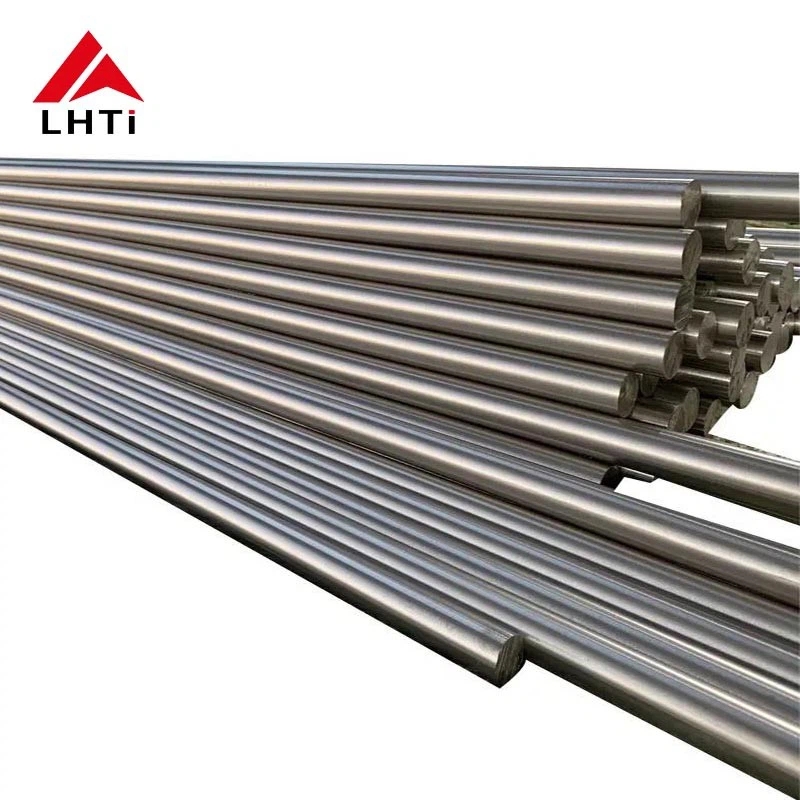
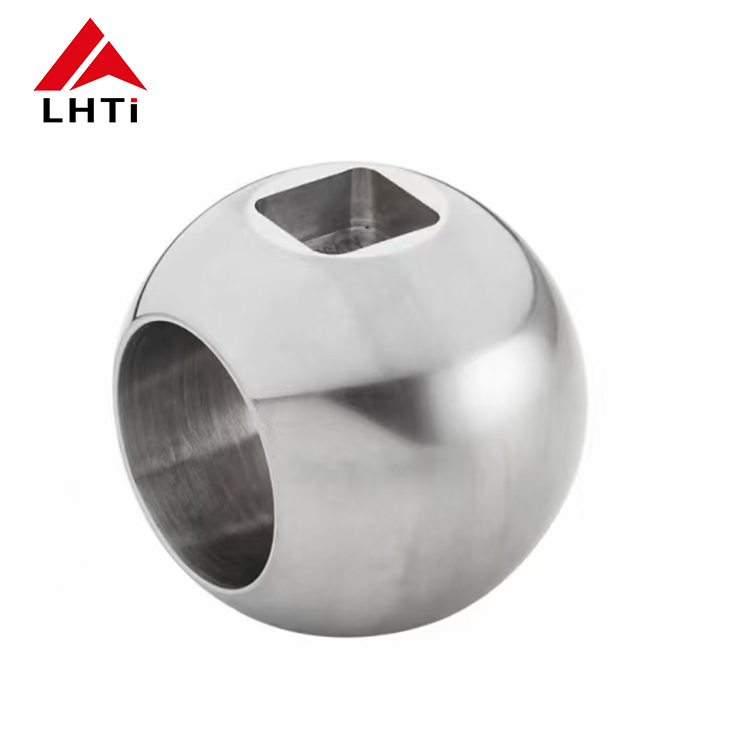
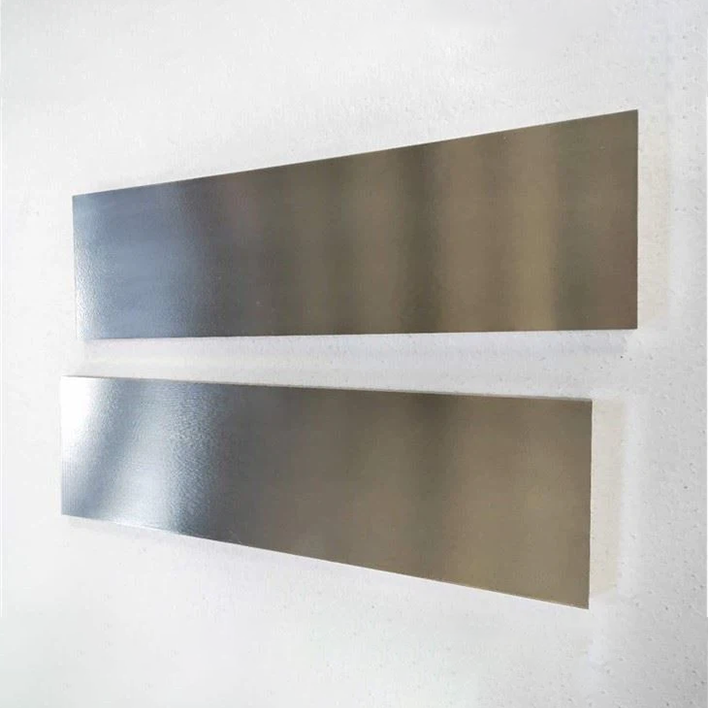
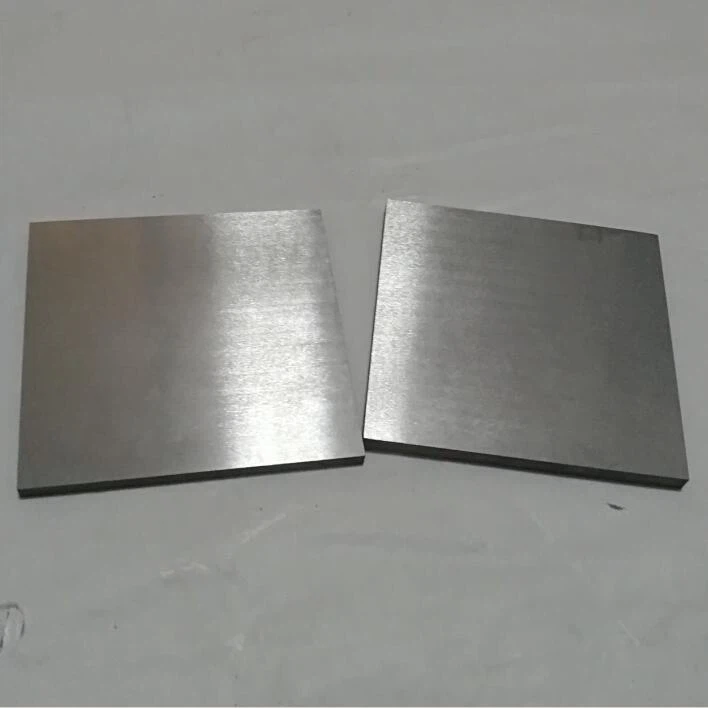


Anodic Titanium Racks
Anodic titanium racks
Introduction of Anodic titanium racks:
Commercial pure titanium racks are made of hot rolled sheet containing 98.6 to 99.5% titanium, small amounts of iron, and clearance elements such as oxygen, nitrogen, carbon, and hydrogen. High clearance content increases strength and reduces electrical conductivity. High oxygen will produce a hard and brittle surface layer, high hydrogen will lead to embrittlement or failure in use. ASTM class 3 annealed titanium has tensile strength of 65 ksi, yield strength of 55 ksi and strength up to 400F. Elastic modulus is 16 x 106 psi. Pure titanium can bend 125 degrees around the diameter of normal thickness without cracking. 1.
Titanium is a precious metal with an electrode potential of 0 to 0.5 V (reference standard electrode). It is resistant to sulfuric acid baths and was chosen as a shelf material for its good corrosion resistance and strength. Because aluminum is an active metal, the contact area between the titanium scaffold and aluminum may lead to galvanic corrosion and local defects during anodic oxidation. Titanium frames are best used for anodizing tubular products or products with holes.
Detailed images:


Different styles titanium racks for andizing:

Packaging and Shipping:
Packaging:
1)Small batch: paper/plastic and carton.
2)Large batch: paper/foam inside, wooden pallet outside.
Shipping:(alway choose the best and cheapst one for customers)
1:Small batch: International Express(DHL,TNT,EMS,UPS).
2:Large batch: By air and by sea, railway
Delivery time:
1.In stock: sending within 3 days
2.Customized:according to the quantity.


Purpose of Anodic Titanium Racks:
Electrochemical Compatibility: Titanium racks are used because titanium is compatible with the anodizing electrolyte and process conditions, ensuring there is no contamination or adverse reaction during anodizing.
Material Properties: Titanium racks are chosen for their corrosion resistance, strength, and ability to withstand the harsh chemical environment of anodizing baths.
Avoidance of Contamination: They prevent contamination of the anodized parts with foreign metals, which could compromise the quality of the anodized finish.
Design and Construction:
Material Selection: Titanium Grade 2 or Grade 5 (Ti-6Al-4V) is typically used for racks due to their excellent corrosion resistance and mechanical properties.
Rack Design:
Geometry: Designed to hold multiple parts securely without touching each other or the sides of the tank.
Surface Area: Optimized to minimize contact area with the anodizing solution to prevent unnecessary anodic reaction and ensure consistent anodizing results.
Hooks or Clips: Have hooks, clips, or other mechanisms to suspend and secure parts effectively.
Surface Finish: Smooth finish to facilitate easy cleaning and prevent contamination of the parts being anodized.
Considerations for Use:
Durability: Racks must withstand repeated use and exposure to anodizing chemicals without degradation or loss of integrity.
Electrical Isolation: Ensuring proper electrical isolation between the racks and the parts being anodized to prevent unwanted current paths that could affect the anodizing process.
Cleaning and Maintenance: Regular cleaning and maintenance to remove any buildup of anodizing residues or other contaminants that could affect future batches of parts.
Benefits of Anodic Titanium Racks:
Enhanced Process Control: Racks ensure consistent positioning and spacing of parts, leading to uniform anodized coatings across all parts.
Cost Efficiency: Long-lasting and reusable, reducing overall processing costs compared to disposable racks or racks made from less durable materials.
Environmental Considerations: Titanium racks are environmentally friendly as they can be reused multiple times, reducing waste generation.
Previous
Titanium Plating RacksNext
Titanium Rack JigYou Might Also Like
Send Inquiry